
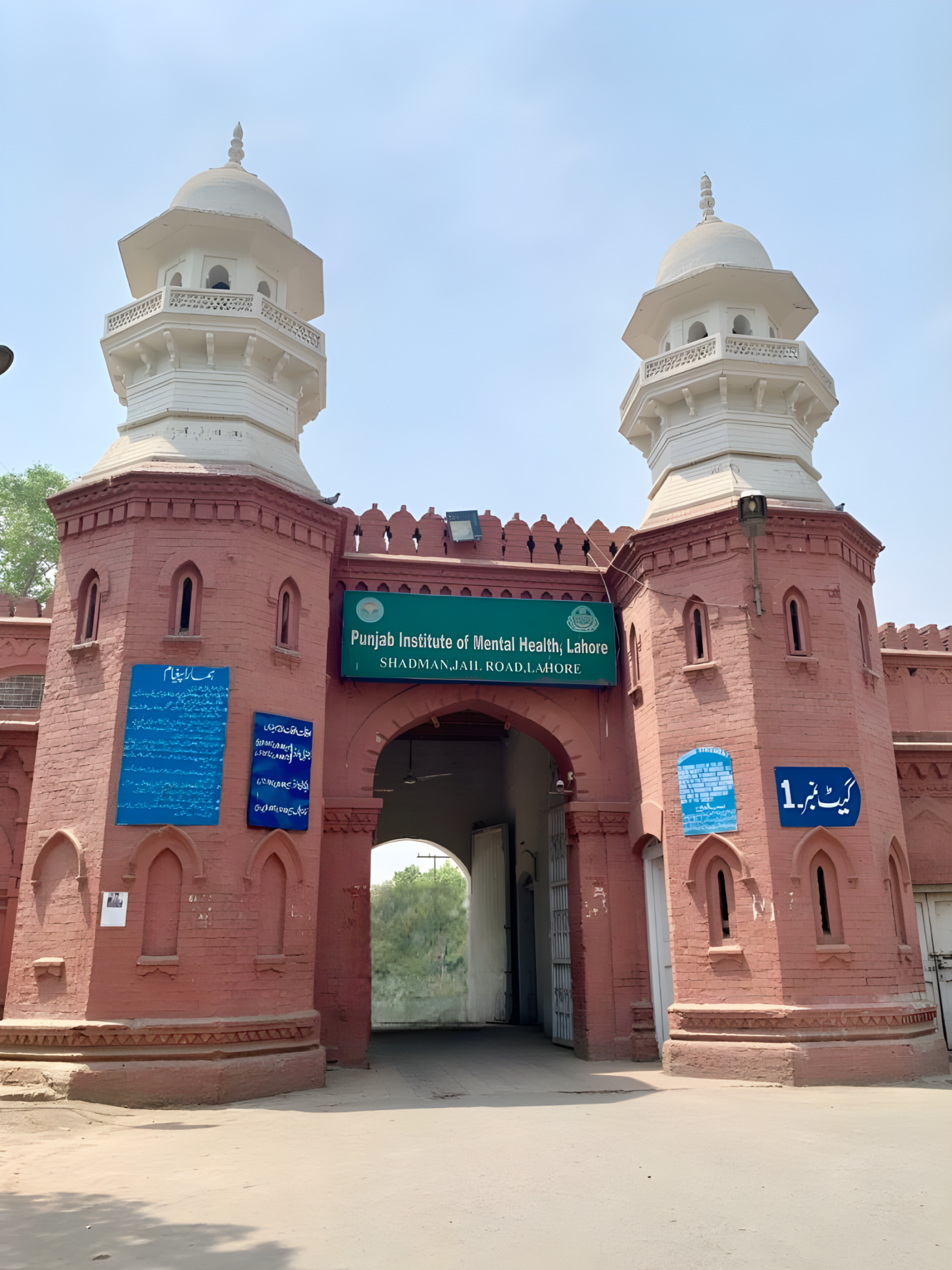
Message from the Executive Director
 As the Executive Director of the Punjab Institute of Mental Health (PIMH), Lahore, I am honored to lead an institution that brings hope and healing to our community. Our goal is to be a top center for mental health by providing modern, high-quality care that treats every patient with the respect and dignity they deserve. We are more than just a hospital; we are a place for recovery, research, and professional training. By working closely with the community, we aim to break the stigma of mental illness and ensure that everyone has access to the support they need. I invite you to join us in making mental health a priority so that well-being becomes a reality for every individual in Punjab.
Prof. Dr. Aysha Rashid
Executive Director,
Punjab Institute of Mental Health, Lahore
About Us
The history of healthcare services for mentally ill patients in Pakistan can be viewed as before and after the Partition (1947) for our own convenience. The treatment for psychiatric patients by a medical doctor started with the arrival of Dr. Honigberger. He belonged to Hungary and worked as state physician to Maharaja Ranjit Singh in 1812. His services were initially limited to families and close relatives of notables. After the death of Maharaja Ranjit Singh, Dr. Honigberger was appointed in charge of the gunpowder factory and was also asked to treat general patients at the city’s General Hospital, then called Al-Shifa, located outside the Delhi Gate. Dr. Honigberger set up a ward for psychiatric patients in this hospital. So, the foundation was laid for future psychiatric services in this region. It was no less than an honour for the city of Lahore. It was named Central Lunatic Asylum, as written in the book ‘Thirty-Five Years in the East’ written by Dr. Honigberger.


